
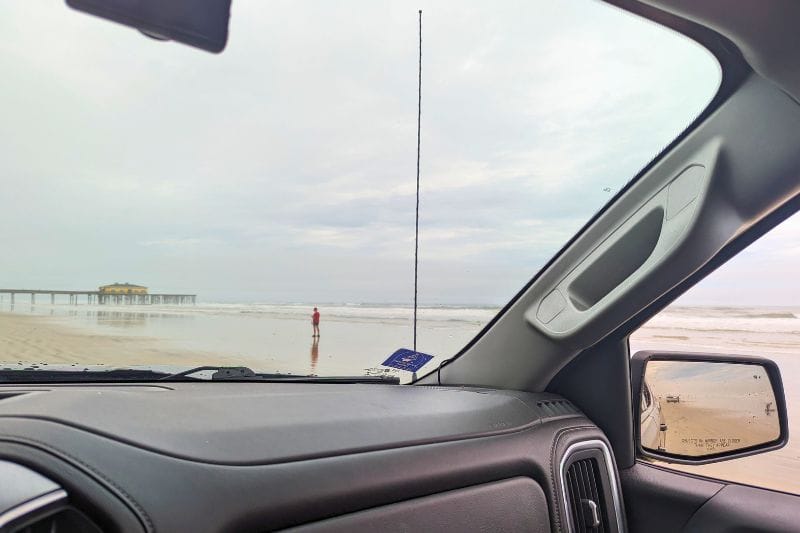
Beaches Near Orlando You Can Drive Onto – Locations and Safety Tips for Parents
Florida residents know that beach days are amazing with the family, but can easily turn into a production. With sand toys, coolers, towels, kids to wrangle, and all the chairs and gear shoved into a wagon, just getting to the beach can be a walk across busy roads and chaotic parking lots. But luckily, there are several beaches near Orlando where you can drive and park right on the beach!

No secret to many, the Daytona Beach area has been known for this for decades, but a lot of visitors are often unsure just how to drive on the beach in Florida properly.
Below, we’ve listed the most convenient beaches with driving and access ramps to Orlando residents or visitors, along with how to get passes and permits, and some very important safety tips to note before getting those tires in the sand.
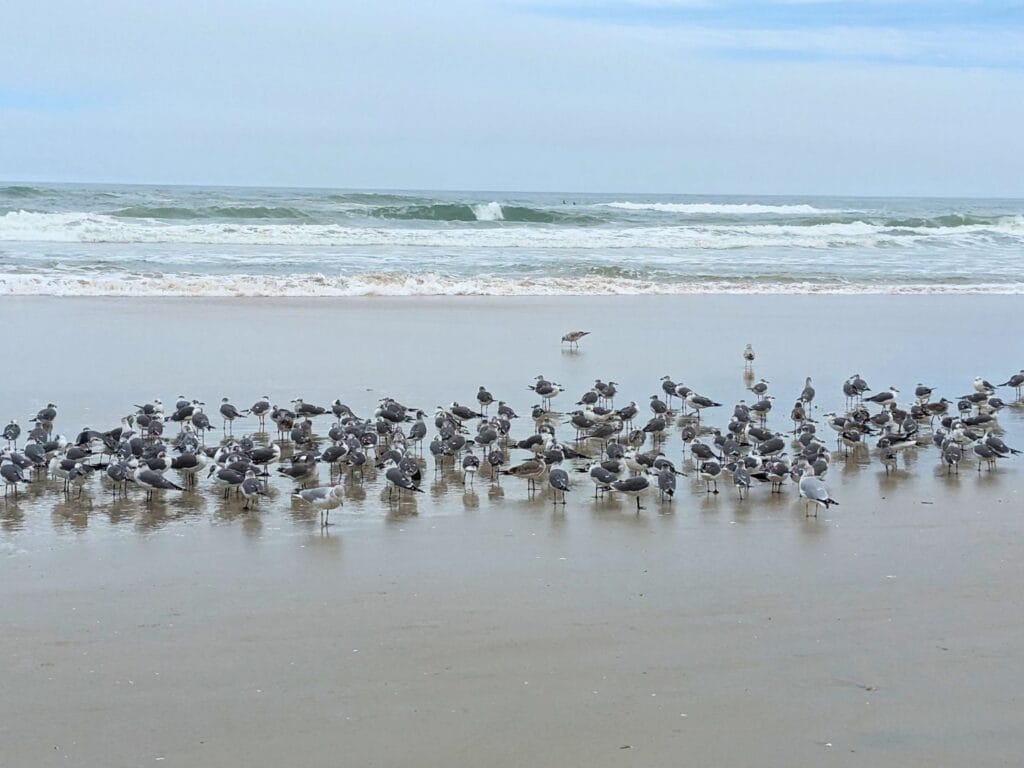
List of Beaches You Can Drive Onto Near Orlando
Volusia County
Most of the coastline from Ormond Beach down to Ponce Inlet falls into this county category. See popular ramps below:
Notable Access Ramps include:
- Ormond Beach: Harvard Dr.
- Daytona Beach: University Blvd, Seabreeze Blvd, International Speedway Blvd, Silver Beach Ave, and at Sun Splash Park.
- Daytona Beach Shores: Van Ave, Dunlawton Blvd
- New Smyrna Beach: Beachway Ave, Crawford Rd, Flagler Ave, 27th Ave.
- Ponce Inlet: Beach St.
For frequent Volusia County beach visitors, be sure to download their Volusia Beaches app for up-to-date access ramp information.
BONUS IDEA: Spend some playtime at these playgrounds near Daytona Beach.
St. Johns County (St. Augustine Beaches)
Access points (from St. John’s County Website):
- Vilano Beach Ramp
- Porpoise Point Ramp
- A Street Ramp
- Ocean Trace Road Ramp
- Dondanville Road Ramp
- Matanzas Avenue Ramp
- Mary Street Ramp
- Crescent Beach Ramp
Canaveral National Seashore
Visitors can drive on the beach in sections of both Apollo Beach and Playlinda Beach. Access to the park is required to do this.
A little further:
These other great beaches also offer beach driving opportunities!
- Huguenot Memorial Park
- Amelia Island
How to Drive On the Beach in Florida: Passes and Permits
While some counties have waived beach driving fees for residents, there are also non-resident permits and passes available to day trippers.
In Volusia County expect to pay $30 for a day, or $150 for an annual pass. What does this get you? Unlimited beach visits where you don’t have to schlep all your gear to the sand! Sounds good to me.
In St. John’s County, pay only $10 for daily access or $100 for the year, which runs from March to September. Passes are not required between October to February!
At Canaveral National Seashore, passes to the park are available for $15-25 daily or $45 annually. More information can be found here.
Be sure to bookmark the National Park FREE days, which include:
- February 16: Presidents’ Day (Washington’s Birthday)
- May 25: Memorial Day
- June 14: Flag Day/President Trump’s birthday
- July 3–5: Independence Day weekend
- August 25: 110th Birthday of the National Park Service
- September 17: Constitution Day
- October 27: Theodore Roosevelt’s birthday
- November 11: Veterans Day
Driving on the Beach: Important Safety Tips
Most importantly, ALWAYS give pedestrians and beach goers the right of way! Here are some more fundamental tips for driving on the beach safely:
Speed Limits
Speed limits are typically limited to 10 mph. A kid playing ball can easily run into the road, and it has happened where even sunbathers are getting run over. Drive with extreme caution, and keep a good watch on the road – not the waves – if you are the driver.
Check the Tide Table
Checking the tide predictions can save your car. While many beach ramps might close in inclement weather for driving on the shore, you may also encounter iffy scenarios where you have to make a judgment call for high tide.
If the beach tide is too high for the sea wall, you’ll encounter a few things:
- Less space for kids to play/sunbathers, meaning less space to drive.
- Increased danger for cars to get stuck, flood, or even wash out
- Saltwater can damage your car, including your axles, brakes, electrical systems, transmission, and so on.
- Risk of damaging sea life, turtle nests, or bird nests
It is recommended by the Florida Fish and Wildlife Conservation Commission (FWC) that you do not drive on the beach two hours before or after high tide.
Consider Wildlife
By only driving in the designated areas, you reduce the risk of injuring nesting birds, turtles, and other flora and fauna. The beach may be a place for picnics and sunbathing, but it is also home to a vast ecosystem of life, and we must do our part to preserve that!
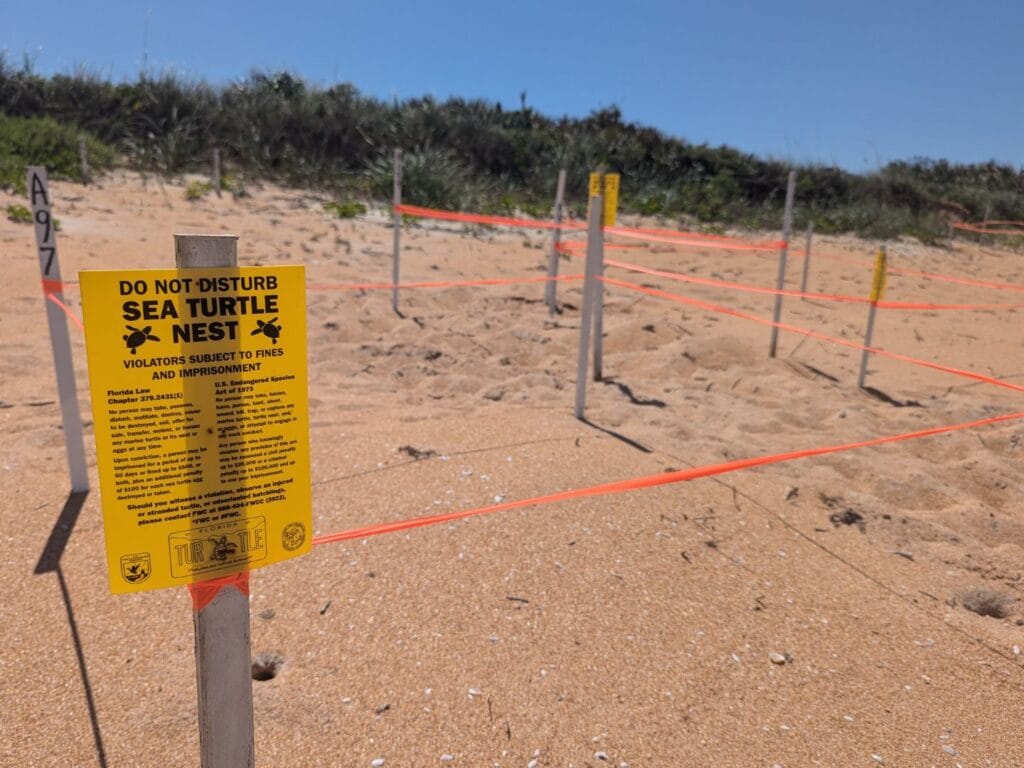
Watch for signs during nesting seasons, and especially if driving at dawn/dusk or dark, mind your headlights in turtle nesting season! It can confuse and disorient the tiny turtles as they make their way to the ocean for the first time.
Consider Weather and Sand Conditions
This seems obvious to say, but don’t drive on the beach during a storm. Debris and unchecked winds can damage a vehicle, reduce visibility, and increase the risk of the same dangers from the tide warnings above.
The ideal driving conditions are during low tide on firm, hard-packed sand. Even 2WD cars will be able to drive on the paved-like beach road, but there are some extra considerations to be made.
If you can’t look up the tide predictions in advance, look for the beach warning flags, which can also be a good indicator of the current conditions on the beach.
Vehicle Requirements
While the FWC recommends lowering your tire pressure and using 4WD on the beach, this isn’t always practical on a whim. Do your best to stay on the tracks already made in the sand, and know your vehicle’s limits for sandy driving.
Overall, driving on the beach is a fun activity for the whole family, and should be a great day out for everyone. Just be aware of the rules of the road, the potential hazards, and keep a good watch on the pedestrians at play in the sand.
